There’s something special about working with a building that has stood the test of time. Historic properties have stories etched into their walls, craftsmanship you don’t see in new builds, and a sense of permanence that’s hard to replicate.
But with charm comes complexity. Renovating a heritage property isn’t just about freshening up the finishes — it’s about carefully walking the line between preservation and modernization. It’s about enhancing a building’s usability without stripping away what makes it unique.
At KFM, we understand that balance intimately. We’ve helped clients restore and modernise historic homes, barns, and buildings across the UK — making them fit for modern life without losing their soul.
Here’s how we do it.
Step One: Understand the Property’s Historical Significance
Before any tools come out, we start with research.
That means reviewing old architectural plans, surveying the structure, and diving into the history behind the property. Is it listed? What period was it built in? Are there original features that define its character — ornate ceilings, old timber beams, sash windows, stonework?
We work closely with conservation officers and heritage consultants where needed. The aim is to understand what must be preserved, what can be adapted, and what opportunities there are for modern interventions that respect the original fabric.
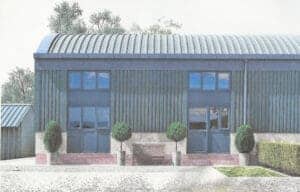
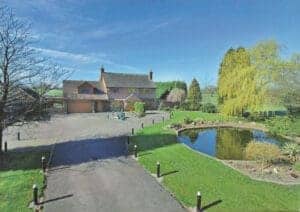
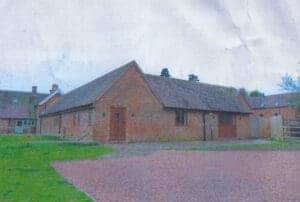
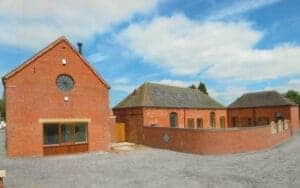
In one recent barn conversion, we retained the original roof trusses and external stonework, while opening up the interior for a more contemporary layout — blending the past with the present in a way that felt seamless.
Step Two: Strengthen Without Sacrificing
Structural integrity is non-negotiable — but how you achieve it matters.
Older properties often require reinforcement to meet modern safety and efficiency standards. But that doesn’t mean ripping everything out. Our approach is always to strengthen what exists, rather than replace it unnecessarily.
We’ve used hidden steel frames to support old beams, lime-based mortars to repair crumbling stone, and non-invasive waterproofing to preserve cellars and basements without damaging heritage features.
Every structural intervention is considered in both form and impact. The goal is to protect the building for future generations — without erasing its identity.
Step Three: Choose Materials That Speak the Same Language
The finishes you choose can either complement or compete with a building’s heritage. We favour the former.
Where possible, we source materials that match the period — reclaimed timber, handmade tiles, lime plaster, traditional ironmongery. When modern materials are needed, we select ones that echo the texture, tone, or proportions of the original.
This creates a cohesive palette, where nothing feels forced or out of place.
For example, in a Georgian townhouse project, we introduced underfloor heating beneath reclaimed oak boards, retained the original cornices, and used bespoke cabinetry that echoed traditional detailing — modern comfort, period sensitivity.
Step Four: Discreetly Integrate Modern Systems
Today’s homes and buildings need to perform — and that includes modern heating, plumbing, electrics, and insulation.
Our job is to make those systems work without making them visible.
We use concealed ducting, low-profile insulation, and careful routing to hide infrastructure behind panelling, within floor voids, or along existing lines. In kitchens and bathrooms, we work with specialist joiners to build cabinetry and layouts that feel timeless, even when housing state-of-the-art appliances.
Smart home features, lighting, and security systems are all designed to blend in — supporting modern living without detracting from the aesthetic.
Step Five: Navigate Regulations with Ease
Working on a listed or historically significant property means more paperwork — but also more responsibility.
You’ll likely need permissions for even minor changes, especially if they affect protected features. This process can feel daunting — unless you’ve been through it before.
At KFM, we take care of it. We prepare detailed applications, liaise with planning departments, and ensure every element of the design is compliant. Because we know what heritage bodies are looking for, we anticipate questions before they’re asked and adjust plans without compromising the vision.
We’ve secured approvals for everything from sash window replacements to full structural alterations — and we do it with professionalism and respect for the process.
Step Six: Create a Harmonious Final Design
The most successful heritage renovations are those that don’t scream “new” or “old” — they just feel right.
That’s what we aim for. A balance where modern furniture, lighting, and art feel at home next to exposed beams or original fireplaces. Where layouts support how people live now, without erasing how people lived then.
Sometimes that means gently reworking floorplans to introduce more bathrooms or open-plan areas. Sometimes it means using lighting and finishes to define zones, or highlighting original features rather than competing with them.
It’s not about imitation — it’s about evolution. And when done well, the result is a space that feels timeless, lived-in, and entirely unique.
Why KFM?
Heritage renovations demand more — more patience, more planning, more precision. But when you get it right, the result is something truly special.
At KFM, we bring the craftsmanship, care, and experience needed to make these projects shine. We honour the story your property tells — while helping you write the next chapter.
Let’s Respect the Past — and Build for the Future
Whether you’re restoring a listed home, reimagining a barn, or upgrading a historic building, we’d love to help.
Contact KFM today to talk about how we can preserve your property’s character — and bring it into the modern age with confidence and care.